

December 5, 2025
Coliving vs Traditional Renting: What to Choose in 2025?
Real estate forecasts for the Belgian market remain discouraging. According to ING Bank, housing prices are expected to rise by 3% in 2025 and another 4% in 2026. This means that buying your own apartment is becoming increasingly out of reach for a broad audience — especially for young people and mobile professionals.
As a result, more people are exploring alternative housing solutions, with coliving emerging as a popular option alongside traditional renting. But the question is which one should we choose between coliving vs traditional renting?
Let’s break down the key aspects of coliving and traditional renting, based solely on the facts.
Price and Affordability
Coliving
Coliving often uses an “all-inclusive” system where utilities, cleaning, internet, and sometimes even community events are included in the price. This eliminates unexpected expenses and can be more cost-effective, especially in cities with high rental rates. At House of co, we follow this approach, covering all essentials in one monthly payment. For instance, instead of juggling five different bills, you know exactly what you’ll spend each month, which makes budgeting much easier.
Renting
These costs can vary widely from month to month, making it harder to predict your total housing budget. In Belgium, for example, energy bills can spike during the winter for heating and in summer for cooling, adding hundreds of euros to your monthly expenses. For tenants on a fixed income or students with limited budgets, this unpredictability can be a challenge.

Sustainability
Coliving
Modern challenges require modern solutions. Shared spaces, energy-efficient appliances, and resource sharing not only save money but also allow for a more eco-friendly lifestyle. By reducing individual consumption and making better use of shared resources, coliving can significantly lower the environmental impact of daily life.
Renting
However, when people live alone—as is often the case with traditional renting—the opposite tends to happen. According to a 2020 study by MDPI Energies, single occupants consume nearly twice as much energy and produce more carbon emissions per person compared to those living in larger households. This makes shared living an effective way to reduce one’s ecological footprint and make everyday life more efficient.

Flexibility
Coliving
Coliving is all about flexibility. You can usually choose a stay from just one month without dealing with bureaucracy: no long-term contracts, no hassle with early termination. This is especially important for expats, students, freelancers, and digital nomads whose lives tend to change frequently.
Renting
Traditional renting typically involves long-term commitments — often a minimum of 6 or 12 months. Breaking a lease early can be difficult and may result in penalties. In addition, the process of securing a rental — from deposits to credit checks — is often time-consuming.

Infrastructure
Coliving
Modern coliving spaces offer a wide range of amenities, including:
- Fully furnished rooms
- Coworking areas
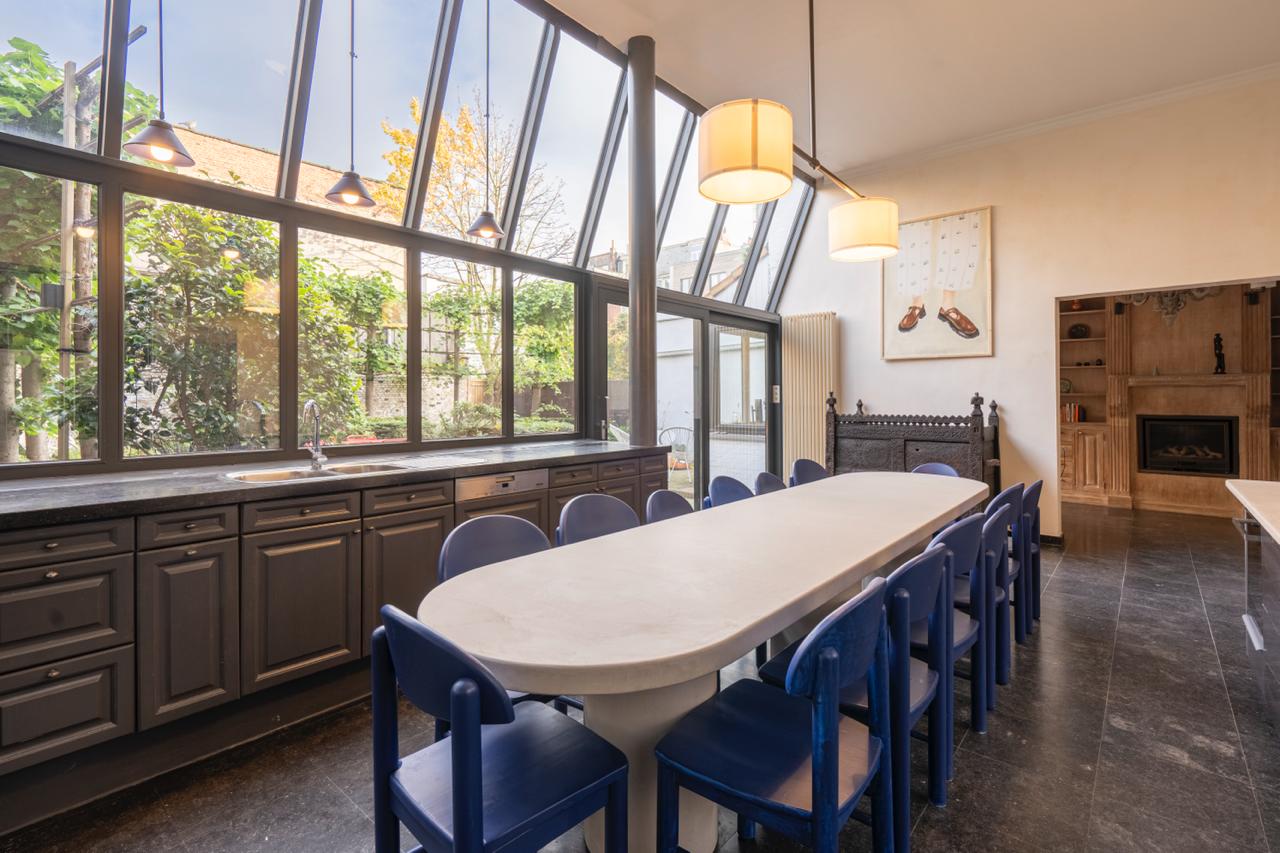
- Kitchens with quality appliances
- Laundry facilities
- Terraces
- Gym
Renting
With traditional renting, the property is often either unfurnished or only partially furnished. This means additional costs for setting up the space — especially if the stay is temporary. Also, traditional rentals usually don’t include extra facilities like coworking areas or communal lounges.
Community
Coliving
Renting is not just about housing — it’s an experience. The word "coliving" itself carries the idea of community. At House of Co, those under one roof are not just tenants but like-minded people and friends. We create conditions that make it easier to socialize, meet new people, and feel part of something bigger. Here, people don’t just rent a place — they find a community.

Renting
In traditional renting, social connections depend entirely on the tenant’s own efforts. Neighbors may keep to themselves, and there are usually no built-in opportunities to meet others. This can make it harder to form friendships or feel connected, especially in a new city or country. Unlike coliving, there’s no structured framework to encourage interaction, so building a sense of community often takes more time and initiative.
Conclusion
In 2025, choosing between coliving and traditional renting is less about housing itself and more about lifestyle. With rising property prices and increasingly complex long-term rental conditions, coliving has become a full-fledged alternative — especially in large cities and among mobile professionals.
Coliving offers flexibility, transparency, and well-equipped infrastructure — making it an attractive option for those who value mobility, want to be part of a community, and prefer not to spend time on day-to-day household concerns. It’s a “housing-as-a-service” model, where residents receive not just a place to stay, but also comfort, support, and social connection.
On the other hand, traditional renting still holds its ground. It appeals to those who value privacy, stability, and full autonomy over their living space. For families, people with a more settled lifestyle, or those who wish to personalize their home environment, classic renting remains a solid and reliable choice.


Limited Offers

Lorem ipsum dolor sit amet,

12 friends
895€
/month
Available from January 31, 2024
Lorem ipsum dolor sit amet,
12 friends
895€
/month
Available from January 31, 2024
Lorem ipsum dolor sit amet,
12 friends
895€
/month
Available from January 31, 2024
Lorem ipsum dolor sit amet,
12 friends
895€
/month
Available from January 31, 2024


Related posts
Get to know our beautiful houses in the most vibrant neighborhoods.

December 5, 2025
Why Young Professionals Are Choosing Coliving in Antwerp: Flexible Housing & Community Living
Intimate retreat: discover our cozy studio apartments with private kitchen, bathroom...
Read more


December 31, 2025
The Old Brick is where Antwerp’s old charm meets modern coliving.
Intimate retreat: discover our cozy studio apartments with private kitchen, bathroom...
Read more
December 5, 2025
Coliving vs Traditional Renting: What to Choose in 2025?
Intimate retreat: discover our cozy studio apartments with private kitchen, bathroom...
Read more

December 5, 2025
8 Reasons why you will love staying with us
Intimate retreat: discover our cozy studio apartments with private kitchen, bathroom...
Read more

We believe in a different kind of living, one where home is defined by the people you share it with.


